

Bangladesh Seizes $6.2b in Assets Linked to Ousted PM Sheikh Hasina as Probe Expands
Wednesday, 15 July 2026
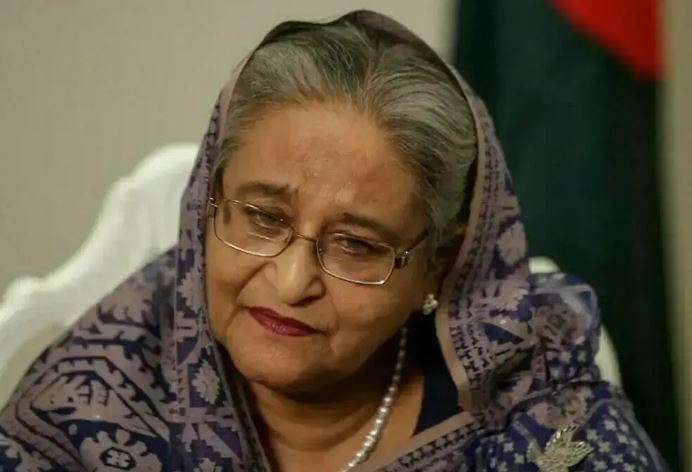
Financial Intelligence Unit freezes assets tied to Hasina, her family and business allies as Bangladesh investigates alleged corruption after the fall of her 15-year rule
Web News
DHAKA: Bangladesh authorities have confiscated assets worth 760 billion taka (approximately $6.2 billion) allegedly linked to former prime minister Sheikh Hasina, her family members and 10 major business groups, marking one of the country’s largest financial investigations following the collapse of her government.
The Bangladesh Financial Intelligence Unit (BFIU) said on Wednesday that it had seized assets worth 570 billion taka within Bangladesh and another 190 billion taka held overseas. The agency has opened 98 cases involving Hasina and individuals and organisations associated with her administration, as investigators continue efforts to trace and recover funds allegedly transferred abroad.
BFIU chief Ikhtiar Mohammad Mamun said authorities were still working to recover money believed to have been laundered overseas, adding that officials hoped to report further progress by the end of the year.
From political dynasty to Bangladesh’s longest-serving leader
Sheikh Hasina’s political journey was deeply connected to Bangladesh’s founding history. She was born in 1947 to Sheikh Mujibur Rahman, the country’s founding leader and the architect of Bangladesh’s independence from Pakistan in 1971.
Hasina entered politics after the assassination of her father, mother and several members of her family in a military coup on August 15, 1975. She and her younger sister Sheikh Rehana survived because they were abroad at the time.
After years in exile, Hasina returned to Bangladesh in 1981 and took leadership of the Bangladesh Awami League, the party founded by her father. She emerged as one of the country’s most influential political figures, leading a long struggle against military-backed governments and advocating the restoration of democracy.
She first became prime minister in 1996 and later returned to power in 2009, beginning a 15-year period of uninterrupted rule that transformed Bangladesh’s economy but also drew criticism over democratic freedoms, opposition suppression and allegations of corruption.
Economic growth alongside growing criticism
During Hasina’s tenure, Bangladesh experienced significant economic progress, including growth in exports, infrastructure development, expansion of the garment sector and improvements in social indicators.
Her supporters credit her government with large-scale development projects and maintaining political stability. However, critics accused her administration of weakening democratic institutions, restricting press freedom and targeting political opponents.
The government faced increasing criticism over elections held during her rule, with opposition parties alleging intimidation and unfair conditions.
The 2024 uprising and fall of her government
Hasina’s government was eventually overwhelmed by a student-led uprising in 2024 that began with protests against government job quotas but quickly expanded into a broader movement demanding political change.
After weeks of unrest and deadly clashes, Hasina resigned as prime minister and fled Bangladesh in August 2024, seeking refuge in neighbouring India. Her departure ended more than a decade and a half of Awami League rule.
Following her removal, Bangladesh’s interim authorities launched investigations into her government, her family members and business groups accused of benefiting from close ties with the former administration.
Legal cases and extradition efforts
Since leaving office, Hasina has faced multiple legal proceedings in Bangladesh. Courts have convicted her in absentia in several cases, including corruption-related matters involving land allocations in Dhaka.
A court has also sentenced her to death in a case related to crimes against humanity charges stemming from the unrest surrounding her government’s fall.
Bangladesh’s authorities have sought her extradition from India, saying she should return to face legal proceedings. Home Minister Salahuddin Ahmed said the government intends to ensure that court decisions are implemented while leaving any appeals process to the judiciary.
Hasina vows return
Despite the legal challenges, Hasina has said she plans to return to Bangladesh by the end of the year. Her supporters argue that the cases against her are politically motivated, while the interim government maintains that she must face accountability through the legal system.
The asset seizures and ongoing investigations represent a major chapter in Bangladesh’s turbulent political transition, as the country attempts to address allegations of corruption while navigating the aftermath of the dramatic collapse of one of its longest-serving governments.

More from World News



Comments
No comments yet. Be the first to comment!
Leave a Comment