

Govt-PTI Talks Hit a Snag over Imran’s Doctors, KP Security Measures, but Breakthrough Hopes Stay Alive
Saturday, 03 October 2026
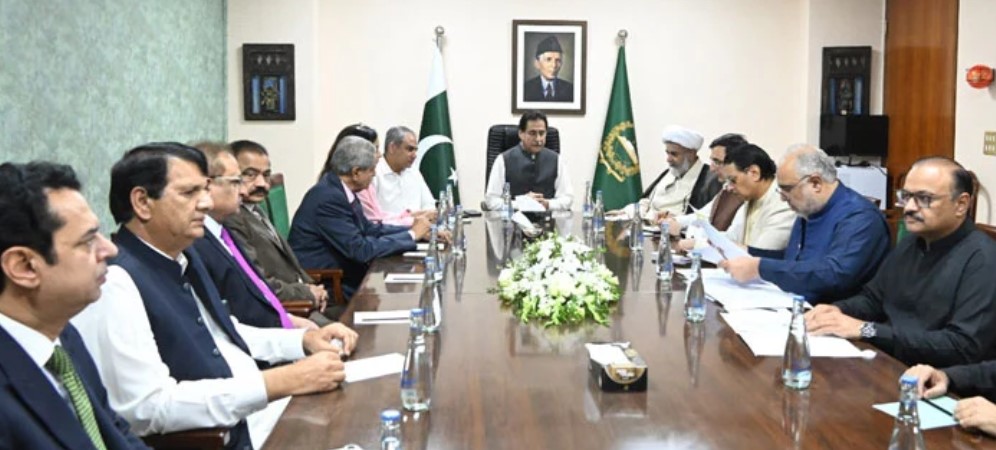
With the PTI march set to take several days to reach Islamabad, both sides have time to bridge differences and reach a mutually agreed deal before it arrives
Hamid Khan Wazir
ISLAMABAD: Government-opposition negotiations aimed at defusing tensions ahead of the Pakistan Tehreek-e-Insaf’s (PTI) planned October 4 march towards Islamabad ended without a final agreement early Sunday, but both sides kept the door open for further engagement, even as no timeframe was set for the next round, leaving hopes of a negotiated settlement alive.
The second round of hours-long talks at Parliament House stretched well past midnight, with the main differences centring on a meeting with jailed PTI founder Imran Khan, access to his personal physicians and the federal government’s concerns over counterterrorism measures in Khyber Pakhtunkhwa.
The deadlock comes as the PTI’s march remains on course, but its announced route suggests it will take several days to travel through KP before reaching Islamabad, leaving additional time for political leaders to continue efforts to find common ground before the caravan reaches the federal capital.
PTI Chairman Barrister Gohar Khan said he would remain in contact with an important government representative, with the two sides expected to exchange further details. His remarks kept open the possibility of renewed communication despite the failure to reach an agreement during the latest round of negotiations.
The continued contact provides a significant window for political engagement, potentially giving both sides an opportunity to bridge their remaining differences and avert a confrontation as the PTI march moves towards Islamabad.
The negotiations were chaired by National Assembly Speaker Ayaz Sadiq, who had expressed hope that all participating parties would continue talks in a cordial atmosphere.
The government delegation included Interior Minister Mohsin Naqvi, Kashmir Affairs Minister Amir Muqam, State Minister for Interior Talal Chaudhry and Prime Minister’s Adviser Rana Sanaullah, while PPP leaders Sherry Rehman, Naveed Qamar and Ejaz Jakhrani also participated.
The opposition side included PTI Chairman Barrister Gohar Ali Khan, Opposition Leader in the Senate Allama Raja Nasir Abbas, Asad Qaiser, Aamir Dogar, Haleem Adil Sheikh and PTI Secretary General Salman Akram Raja.
Deadlock over Imran’s meeting, doctors
Talking to reporters after hours of negotiations, PTI Chairman Barrister Gohar Khan said that the party’s long march was “intact” and would go ahead. At the same time, he asserted that imposing an emergency or governor rule was not the answer to the protest.
He further said that the participants had also not reached an agreement on when the next round of talks would take place.
He said that the opposition’s demands presented during the second round of talks were “simple” and included meetings with Imran and his spouse, Bushra Bibi. He said that there were a few issues pertaining to terrorism, where the negotiating process became “stuck”.
On the occasion, Asad Qaiser said the opposition had clearly communicated its concerns to the government, stressing that a meeting with Imran Khan remained the PTI’s primary demand.
“We informed the government of our differences regarding the meeting with the founding chairman, the release of the sisters and other demands,” Qaiser said, adding that PTI wanted a meeting with Imran before proceeding further.
Raja Nasir Abbas also confirmed that the talks had failed to resolve the issue of access to Imran Khan. He said the differences included the proposed meeting with PTI founder and access to his personal physicians, as well as questions relating to terrorism and the security situation in Khyber Pakhtunkhwa.
PTI Secretary General Salman Akram Raja struck a more cautious note, saying there was still no consensus on some “foundational issues” and that it was difficult at that stage to predict whether the two sides would agree on a mutually acceptable course of action.
Government cites KP security concerns
The government side has maintained that the principal unresolved issue relates to the security situation in KP. Rana Sanaullah said the federal government had sought assurances that the KP government would fulfil its responsibilities and cooperate with the Centre in combating terrorism.
According to Sanaullah, the government had offered reassurances to the PTI on several of its demands, but differences over the role of the KP government in counterterrorism efforts prevented the agreement from being finalised.
PPP leader Sherry Rehman said the government and opposition had discussed all the points raised by PTI and that the draft agreement had been revised several times. She said considerable progress had been made, but disagreements remained on some issues, particularly the security situation.
The government has also made clear that it does not want the planned march to proceed towards Islamabad, while the opposition has insisted that political engagement should continue rather than allowing the dispute to descend into confrontation.
Achakzai insists on meeting with Imran
Tehreek-e-Tahafuz-e-Ayin-e-Pakistan (TTAP) chief Mahmood Khan Achakzai has also emerged as a key voice in the negotiations, refusing to support withdrawal of the October 4 march without a meeting with Imran Khan.
Achakzai said no final decision could be taken without consulting the PTI founder. He proposed that KP Chief Minister Sohail Afridi should be allowed to meet Imran, with assurances that Afridi would not speak to the media after the meeting. Achakzai also called for the release of Imran Khan’s sisters before a final agreement was reached.
Hope remains despite setback
Although the second round ended without an agreement, the fact that the two sides continued negotiations for hours and repeatedly revised a draft agreement has kept hopes of another breakthrough alive.
At one stage, members of the negotiating process indicated that around 95% of the issues had been settled and that only one or two points remained unresolved.
PPP leader Naveed Qamar had also said the negotiations could be described as successful in terms of the progress achieved, adding that the wording of the draft agreement was still being revised.
He expressed hope that the talks would ultimately prevent both the long march and the imposition of emergency measures in KP.
KP march plan remains in place
While negotiations continued in Islamabad, KP Chief Minister Sohail Afridi remained committed to the PTI mobilisation and released a detailed schedule for the march.
According to his plan, PTI supporters from Tank, Dera Ismail Khan, South Waziristan, North Waziristan, Bannu and Lakki Marwat are scheduled to join the caravan at Gandi Chowk, Lakki Marwat, on October 4.
The convoy is then expected to move through Karak and Kohat, with supporters from other districts joining along the route before the caravan proceeds towards Peshawar and later Khairabad.
Afridi has stopped short of announcing the final leg of the journey to Islamabad, saying the plan for the next phase would be announced after supporters from across KP gather at Khairabad.
Dialogue remains the way forward
The latest impasse comes at a politically sensitive moment, but the continuing engagement between the government, PTI and allied opposition parties also demonstrates that communication channels remain open.
Earlier, National Assembly Speaker Ayaz Sadiq had urged all sides to maintain a cordial atmosphere, while political leaders from the government, PPP and opposition have continued to sit together despite deep disagreements.
The immediate challenge is to bridge the remaining differences over Imran Khan’s access to his doctors, political consultations, the release of his sisters, the October 4 march and the federal government’s concerns over counterterrorism measures in KP.
With Pakistan already facing serious political and security challenges, further escalation would serve neither side. A negotiated settlement, even if it requires additional rounds of talks, remains the most credible way to prevent confrontation and restore political stability.
The current deadlock need not become a breakdown. With PTI march expected to take several days to reach Islamabad, both the government and opposition have valuable time to maintain contact, narrow their differences and work towards a mutually acceptable agreement.
What is needed now is flexibility, restraint and a willingness to keep the negotiating table open. The talks may have hit a snag, but the door to dialogue remains open, and continued engagement could yet turn the current impasse into an opportunity for a peaceful political settlement.

More from Pakistan News
Comments
No comments yet. Be the first to comment!
Leave a Comment