

SBP maintains policy rate at 10.5pc amid Middle East tensions
Monday, 09 March 2026
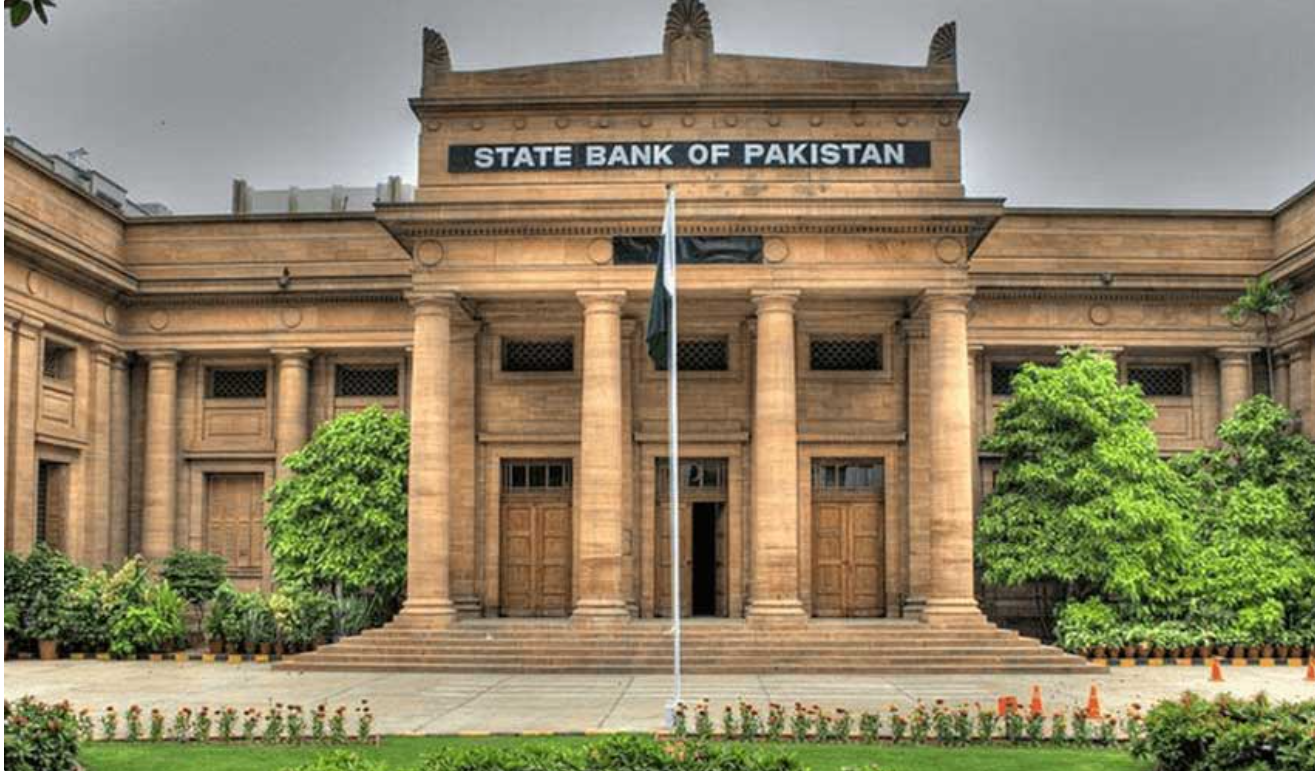
KARACHI: The State Bank of Pakistan (SBP) decided to maintain its benchmark policy rate unchanged at 10.5% in its second Monetary Policy Committee (MPC) meeting of 2026.
The announcement was posted on the central bank’s X account. The decision was taken by the central bank’s Monetary Policy Committee after reviewing economic indicators and ongoing geopolitical developments in the Middle East.
The decision was in line with market expectations, which anticipated the central bank to maintain the status quo in the wake of escalating geopolitical tensions in the Middle East, which have swelled energy prices, raising fears of a new wave of inflation.
According to the central bank, the committee carried out a detailed assessment of the country’s economic indicators, including inflation trends, growth outlook, and external sector conditions.
After reviewing the overall situation, the committee decided to keep the policy rate unchanged at 10.5%.
The committee also discussed the ongoing situation in the Middle East, which has created uncertainty in global markets.
Officials reviewed the potential economic impact of regional tensions, particularly their possible effect on energy prices, trade flows, and financial markets.
The State Bank has cut the key rate by a cumulative 1,150 basis points since mid-2024, from a record 22pc in 2023, as inflation cooled sharply from multi-decade highs.
Pakistan has begun to feel the economic fallout of the escalating conflict between the US-Israel against Iran, which has led to the closure of the Strait of Hormuz and triggered a sharp rise in global fuel prices.
In international markets, Brent crude is on track for a record one-day gain, as mounting geopolitical tensions place severe pressure on global energy supplies. Meanwhile, gold fell 2pc.
Pakistan imports most of its energy needs, making domestic inflation sensitive to changes in global fuel prices.
Last week, the government also raised the prices of petrol and high-speed diesel by Rs55 per litre, the largest single increase on record, as the country began absorbing the first direct economic shocks of the ongoing regional conflict.
The country is also in an ongoing $7 billion International Monetary Fund (IMF) programme, with the Fund urging policymakers to keep monetary policy tight and data-dependent to anchor inflation expectations and strengthen external buffers.

More from Business News


Comments
No comments yet. Be the first to comment!
Leave a Comment