

UNICEF Provides 75,000 Injections to Treat 15,000 Leishmaniasis Patients in KP
Saturday, 14 November 2026
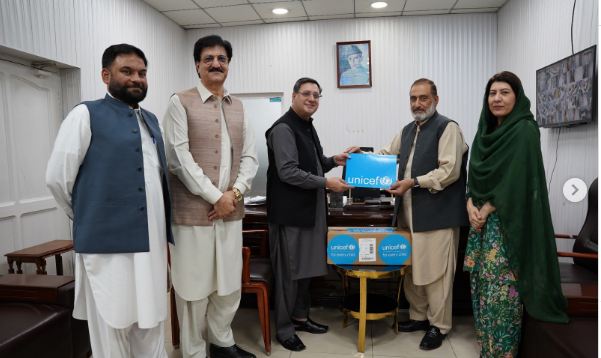
Rs48 million consignment handed over to provincial Health Department amid rising cases; more than 10,500 infections, including 4,400 among children, reported since January
Hamid Khan Wazir
PESHAWAR: Amid a growing burden of cutaneous leishmaniasis in Khyber Pakhtunkhwa and persistent shortages of its imported medicine, UNICEF has provided 75,000 Glucantime injections worth Rs 48 million to the provincial Health Department to treat approximately 15,000 patients across the province.
The consignment was formally handed over by UNICEF Khyber Pakhtunkhwa Health Team Lead Dr Inamullah Khan to Director General Health Services Dr Naeem Awan in Peshawar. The supplies are expected to strengthen the provincial government's response to the disease, which has affected thousands of people, particularly children and vulnerable communities with limited access to healthcare.
According to reported figures, more than 10,500 cases had been reported across the province since January, including over 4,400 among children below 16 years of age. The 75,000 injections are expected to provide treatment for around 15,000 patients and will be distributed through selected healthcare facilities.
Imported medicine, recurring shortages
Glucantime, a brand of meglumine antimoniate, is an important first-line medicine for treating cutaneous leishmaniasis. Pakistan relies on imports to meet its requirements, making the availability of the drug vulnerable to procurement difficulties and supply disruptions.
The provincial Health Department has faced challenges in securing adequate supplies during previous outbreaks, raising concerns about the sustainability of treatment once donated stocks are exhausted.
Speaking at the handover ceremony, Dr Naeem Awan acknowledged the difficulties associated with procuring the medicine from abroad and said the department was exploring options for mobilising domestic resources to ensure a more reliable and sustainable supply. He thanked UNICEF for its continued assistance to the provincial Health Department, both through development programmes and during emergencies. The handover ceremony also highlighted the need for domestic resource mobilisation and sustainable financing to strengthen the prevention and control of the disease.
Children among the most vulnerable
Cutaneous leishmaniasis is a vector-borne disease transmitted through the bite of infected female sand flies. It causes skin sores and open lesions, commonly affecting the face, arms and legs. Although the wounds may eventually heal, they can leave permanent scars and expose affected people, particularly children, to social stigma and psychological distress.
Children are particularly vulnerable because of their developing immune systems and the potential long-term consequences of untreated infections. The disease disproportionately affects poor and underserved communities where access to timely diagnosis and treatment remains limited. UNICEF Representative in Pakistan Pernille Ironside said thousands of children in Khyber Pakhtunkhwa had been affected by the outbreak, many facing pain, stigma and the risk of lasting complications.
"Every child has the right to healthcare so they can grow, learn and thrive," she said, stressing that vulnerable children must have access to essential treatment. She said UNICEF was working alongside the government to support the delivery of treatment and called for continued investment in prevention, early detection and medical care to ensure that no child was left behind.
A significant but neglected health burden
Cutaneous leishmaniasis remains a major neglected public health concern in Pakistan. According to the World Health Organisation, an estimated 600,000 to one million new cases occur worldwide annually, although only around 200,000 are officially reported.
Pakistan is among the countries carrying a substantial share of the global disease burden. In 2023, the country recorded an estimated 59,255 reported cases, accounting for a significant proportion of infections reported worldwide. The actual number may be higher because of underdiagnosis and incomplete reporting.
In Khyber Pakhtunkhwa, the disease has historically appeared in intermittent outbreaks, with Leishmania tropica identified as an important causative parasite. Other forms of the disease are also reported in different parts of Pakistan. The persistent disease burden, combined with difficulties in securing medicines, has underscored the need for a more dependable procurement and distribution mechanism.
Calls for sustainable treatment arrangements
Médecins Sans Frontières (MSF) has also called on the Pakistani government, donors and international partners to strengthen funding, procurement and supply systems to ensure uninterrupted access to meglumine antimoniate. The organisation has warned that the availability of essential medicines remains a major challenge despite the continuing disease burden, emphasising the need for sustainable arrangements rather than reliance on emergency supplies.
Additional Secretary Health Laeeq Ahmed said UNICEF's assistance would strengthen the provincial government's capacity to provide timely treatment and improve access to essential healthcare for affected children and families. The 75,000 injections, which have a shelf life of three years, will be supplied to selected health facilities for distribution among patients. Their extended shelf life is expected to help maintain treatment availability for current cases and provide a reserve against future outbreaks.
UNICEF said it would continue working with the Government of Pakistan to improve child health outcomes and ensure equitable access to essential healthcare services. The latest contribution provides immediate relief to thousands of affected families. However, ensuring a consistent supply of the imported medicine, strengthening early diagnosis and establishing sustainable financing arrangements remain essential to containing the disease in Khyber Pakhtunkhwa.


More from Health News




Comments
No comments yet. Be the first to comment!
Leave a Comment