

AlHuda Students Challenge Digital-age Thinking Through ‘Ulul Albab’ Exhibition
Saturday, 21 November 2026
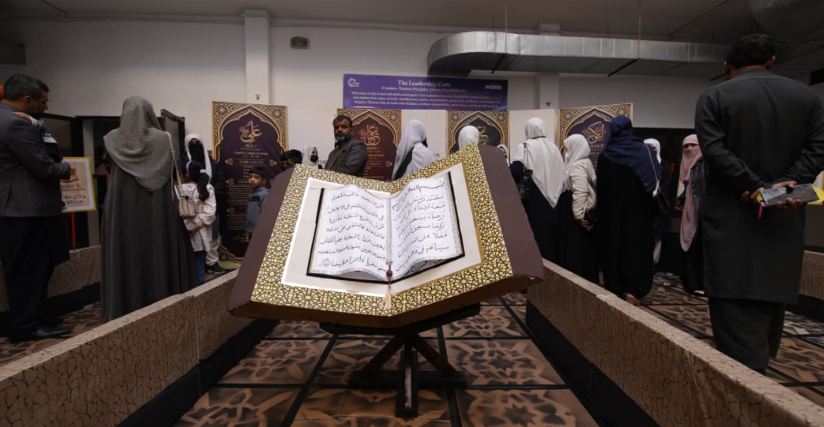
Students showcase innovative projects highlighting the importance of intellectual independence, moral values and Quranic wisdom in an increasingly algorithm-driven world; experts call for nurturing critical thinking and responsible leadership among young people.
Hamid Khan Wazir
ISLAMABAD: Challenging the growing influence of digital algorithms on human thought, choices and behaviour, students of AlHuda International School presented an intellectually engaging exhibition titled “Ulul Albab: Life Beyond the Algorithm,” highlighting the importance of sound reasoning, moral consciousness and independent thinking in the modern technological age.
Held on Saturday, at the school's F-8 Campus in Islamabad, the Islamic Science Exhibition brought together students, educationists, academics, parents and representatives of print and electronic media to explore the relationship between technology, human consciousness and Quranic teachings. Through creative models, artworks and research-based projects, students examined how excessive dependence on digital platforms can influence individual thinking, weaken independent judgment and gradually shape human behaviour.
The exhibition revolved around the Quranic concept of “Ulul Albab”, referring to people of sound intellect, wisdom and deep understanding. The central theme encouraged students and visitors to reflect on whether technological advancement was strengthening human intelligence or making individuals increasingly dependent on systems that influence their preferences, decisions and everyday lives.
The event reflected AlHuda International School's educational philosophy of integrating religious and contemporary knowledge. Established in 2010 as the realisation of Dr Farhat Hashmi's vision, the institution seeks to nurture students through a balanced approach to religious and worldly education under its guiding vision, “The Quran in Every Heart, in Every Hand.”
The exhibition was structured around five interconnected themes: “Wake Up Before It's Too Late!”, “Who Is in Control Inside You?”, “The Battle Between Right and Wrong Inside You”, “The World Is Programming You” and “Rise with Purpose”. Each theme addressed a different dimension of the challenges facing young people in an increasingly digitalised society.
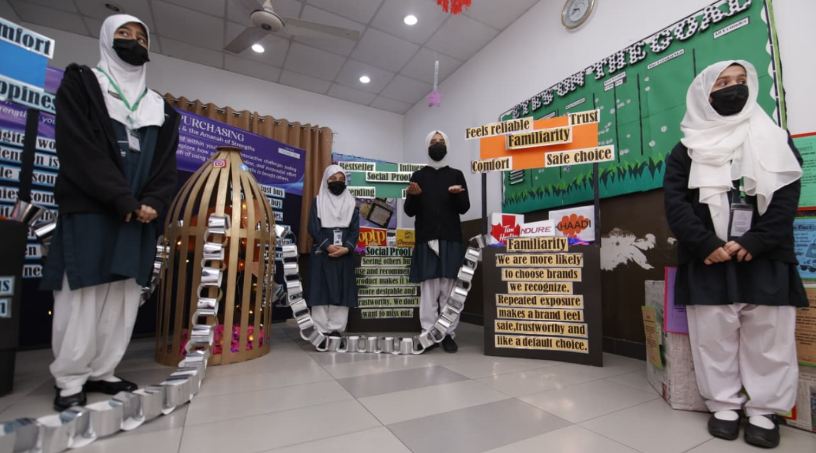
Under the guidance of their teachers, students from different grade levels developed projects that creatively illustrated the growing influence of technology on human behaviour and the need to preserve intellectual freedom. Their presentations highlighted how algorithms increasingly determine what people watch, read, purchase and even discuss, raising important questions about personal choice, critical thinking and the ability to distinguish between right and wrong.
Through their models and artistic presentations, students sought to convey that technology, despite its enormous benefits, should remain a tool serving humanity rather than becoming a force that controls human thinking and decisions. They emphasised that ethical judgment, spiritual awareness, creativity and human conscience cannot be reduced to technological calculations.
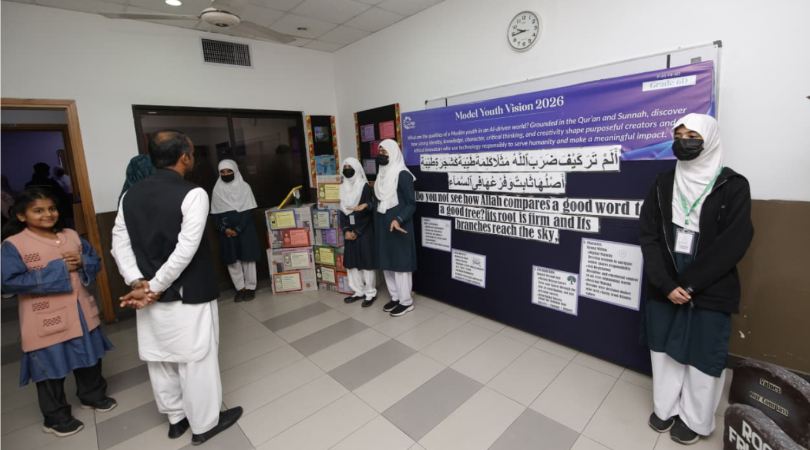
A central message running through the exhibition was that technological progress must go hand in hand with intellectual and moral development. Students highlighted the risks of excessive screen time, uncritical consumption of digital content and dependence on algorithm-driven platforms, urging their generation to develop the ability to question, analyse and make informed choices.
The concept of “Ulul Albab” provided the intellectual and spiritual foundation for these discussions, encouraging young people to move beyond passive acceptance of information and develop a deeper understanding of the world around them. The projects also underlined the importance of purposeful living, self-awareness and the ability to make decisions guided by knowledge, values and conscience.
Students presented their projects to distinguished guests, parents and other visitors with confidence and enthusiasm, explaining the ideas behind their work and responding to questions. Their presentations demonstrated not only their understanding of the subject but also their ability to connect Quranic concepts with contemporary challenges.
The exhibition was conducted in three sessions, beginning in the morning and continuing until the afternoon. Despite its extended duration, students maintained their enthusiasm and actively engaged with visitors throughout the event. The teachers' dedication and efforts in preparing students and supervising their projects were also evident.
Among the distinguished guests were Ms Sobia Iram, Director General, ALIF Alliance; Ms Salma Mubashir, Master Trainer, Federal Board; Dr Maryam Shinwari, Director, STI; and Dr Naeema Hanif, Director, NIP. Representatives and heads of various departments from the International Islamic University, Quaid-i-Azam University, Bahria University and the National University of Sciences and Technology (NUST) also attended the event.
Delegations from the Hifz departments of Mount Hira School, The Tarbiyah School and Al-Huda School further added to the occasion, providing an opportunity for interaction and exchange of ideas among educational institutions.
The visiting educationists and distinguished guests appreciated the students' efforts and described the exhibition as a timely initiative addressing one of the most significant challenges confronting the younger generation. They observed that children and young people today are exposed to an overwhelming flow of digital information and distractions, making it increasingly important for educational institutions to equip them with the intellectual strength to think independently and make responsible decisions.
They stressed that the younger generation needed guidance to distinguish meaningful knowledge from digital noise and develop the confidence to question prevailing trends rather than follow them blindly. Educational institutions, they said, should provide platforms where students can explore ideas, express their opinions, develop critical thinking and emerge as confident and responsible leaders.
The guests also commended the school administration and teaching staff for creating an environment in which students could translate classroom learning into practical projects and meaningful discussions. They noted that exhibitions of this nature help develop students' creativity, communication skills, research abilities and confidence while encouraging them to connect knowledge with everyday life.
The event concluded with a renewed emphasis on the need to balance technological advancement with spiritual awareness, ethical responsibility and intellectual independence. Through the concept of “Ulul Albab”, the exhibition delivered a compelling message that the future belongs not merely to those who master technology but to those who can use it wisely without surrendering their ability to think, question and choose.



More from Education News

Comments
No comments yet. Be the first to comment!
Leave a Comment