

Fresh Fuel Price Hike: Petrol Up Rs 1.54, Diesel Rs 2.16 Per Litre Amid Global Oil Market Uncertainty
Monday, 26 October 2026
Business Desk
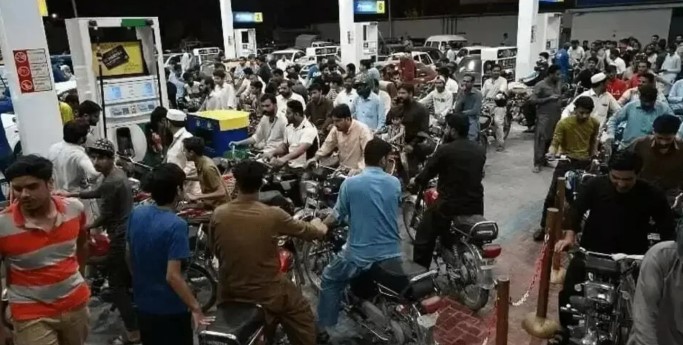
ISLAMABAD: The federal government has raised petrol and high-speed diesel (HSD) prices by Rs1.54 and Rs2.16 per litre, respectively, adding to the financial burden on consumers and increasing cost pressures on transporters and businesses across Pakistan.
Following the revision, petrol will be available at Rs379.25 per litre, while high-speed diesel will cost Rs395.82 per litre, according to a Petroleum Division notification. The revised prices will take effect on Tuesday (October 27), after the Oil and Gas Regulatory Authority (OGRA) reviewed petroleum prices under the government’s pricing mechanism.
The government continues to impose taxes and duties of Rs114 per litre on petrol and Rs100 per litre on diesel, further contributing to the overall cost of petroleum products.
Fuel price hikes threaten household and transport budgets
The latest increase is likely to put additional pressure on household budgets, particularly those of middle- and lower-middle-income families who rely on motorcycles, rickshaws and small vehicles for daily commuting. Higher diesel prices can also increase transportation and distribution costs, potentially adding to the prices of essential goods.
High-speed diesel is widely used by heavy transport vehicles, agricultural machinery, power plants and industrial generators, making its price a significant factor in the cost of moving goods and running businesses. Petrol, meanwhile, is primarily consumed by private vehicles, motorcycles and three-wheelers.
Global tensions continue to influence domestic prices
International oil markets remain vulnerable to geopolitical tensions, conflicts in the Middle East, decisions by OPEC+ and disruptions to critical shipping routes, including the Strait of Hormuz and the Red Sea.
Pakistan imports a substantial share of its petroleum requirements, leaving domestic fuel prices exposed to fluctuations in international crude oil prices, freight charges and supply conditions.
Saudi Arabia, Türkiye and Pakistan also held talks with Iranian officials in Tehran on Monday as part of diplomatic efforts to prevent further escalation in the region, amid concerns over the wider economic consequences of continued instability.
Government introduces austerity measures
Amid rising fuel costs and regional uncertainty, the government has reintroduced austerity measures aimed at reducing energy consumption and limiting public expenditure.
Under the measures, markets are required to close by 9pm, while fuel allocations for official vehicles have been reduced by 50 per cent for three months.
Prime Minister Shehbaz Sharif also announced a relief scheme on September 13 for users of motorcycles, auto-rickshaws and vehicles with engine capacities of up to 800cc, aiming to ease the burden of rising international oil prices on lower-income groups.
More from Business News



Comments
No comments yet. Be the first to comment!
Leave a Comment